

Commercial HVAC, Solar Energy & Fit-Out Solutions
Commercial HVAC, Solar Energy & Fit-Out Solutions
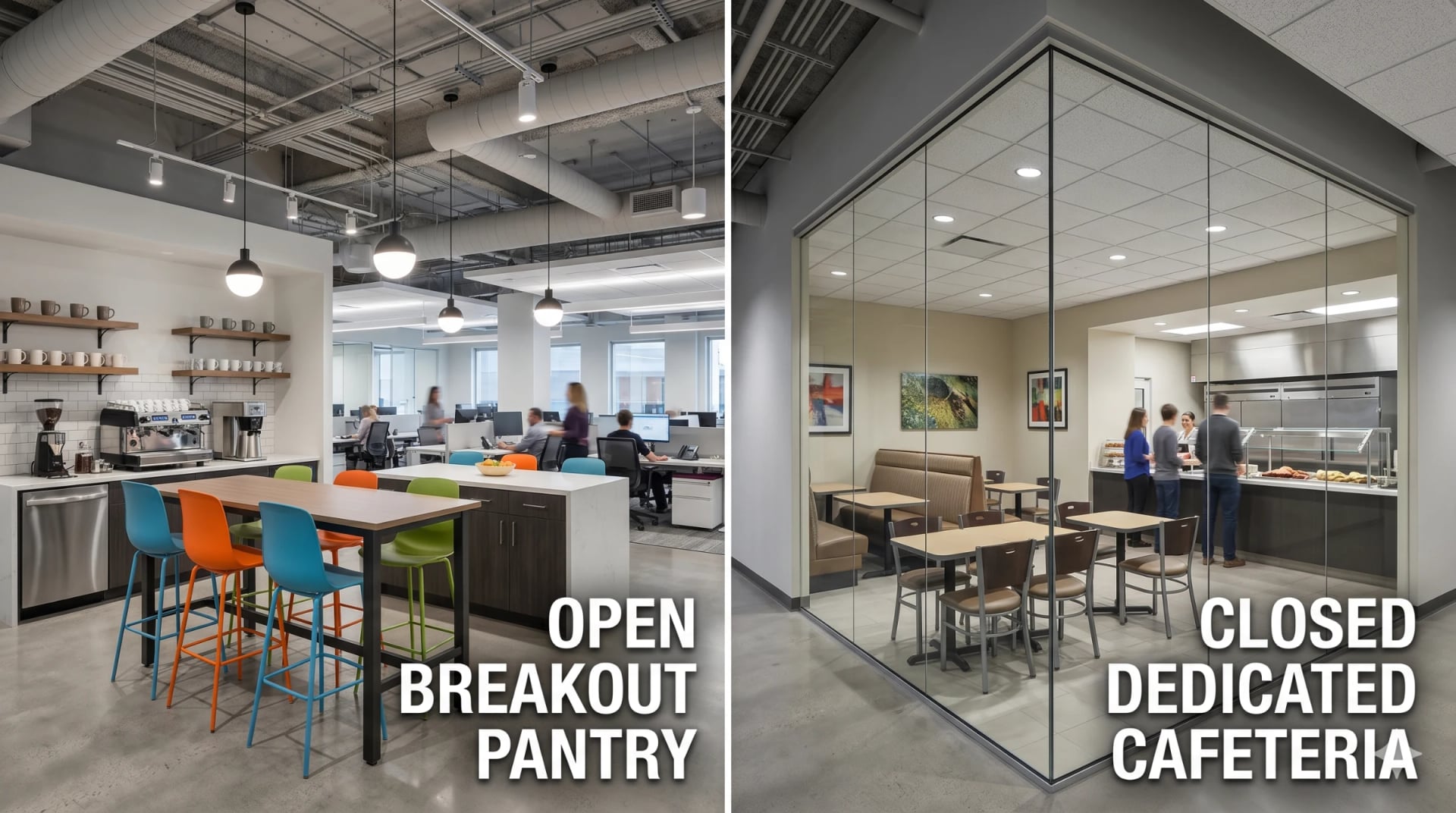
Is your office pantry a vibrant social hub or a source of distracting smells and noise? Compare the cultural boosts and space efficiency of an Open Breakout Pantry versus the acoustic and odor isolation of a Closed Dedicated Cafeteria with ETCBangladesh.
In Dhaka’s bustling commercial hubs, from the high-rises of Gulshan to the busy avenues of Karwan Bazar, office culture is undergoing a significant transformation. The era of employees sad-shoveling lunch at their desks while staring at monitors is rapidly fading. Modern corporate interior architecture now recognizes that the lunch break is a vital component of employee wellness, mental resets, and spontaneous team bonding.
As businesses renovate or fit out new commercial shells, how they design the "eating zone" is a major operational decision. The choice usually comes down to two vastly different philosophies: an Open Breakout Pantry integrated into the main floor, or a separate, Closed Dedicated Cafeteria.
Selecting solely based on initial budget can lead to an office floor permanently plagued by food odors or a dark, isolated cafeteria that employees rarely use. At ETCBangladesh, we analyze your company's food culture, floor acoustics, and HVAC systems to design a refreshing spatial ecosystem.
Open breakout pantries—as visually labeled on the left side of our design guide—are vibrant, flexible social zones seamlessly integrated into the main workstation floor plate. They often feature high stools, comfortable collaborative lounge seating, a coffee station, and basic reheating facilities.
The defining cultural advantage of an open pantry is its role as an accidental social engine. Because it is highly visible and accessible, employees from different departments mix spontaneously while grabbing coffee or reheating lunch. This breaks down departmental silos and fosters innovative, cross-functional conversations that rarely happen in formal meeting rooms. Furthermore, open layouts keep the dining space bright and airy by sharing natural light with the main exterior windows, elevating employee mood all day long.
The major operational tradeoff of an open layout is environmental contamination. If your employees enjoy heavy Bangladeshi curries or strong-smelling dishes for lunch, those intense food odors can drift instantly across the workstation floor. This visual and olfactory "clutter" can become highly distracting for employees trying to concentrate on complex tasks, undermining the core mission of your focus zones.
Closed dedicated cafeterias—visually labeled on the right side of our design guide—are entirely separate, walled-off rooms designed specifically for food consumption, often located at the building core or on a different floor plate.
Where open pantries are chaotic, closed cafeterias offer total control. The single greatest advantage is environmental isolation. Because they have solid walls and independent doors, they perfectly trap food odors and loud lunch conversations, keeping the main operations floor peaceful, focused, and free of cooking smells. This is absolutely crucial for financial institutions, legal call centers, or corporate back-offices where data focus is non-negotiable.
Psychologically, a closed cafeteria offers employees a meaningful escape from their desks. By physically removing themselves from the workstation environment, employees can decompress fully, lower their stress levels, and enjoy a true mental rest before returning to work energized. It also allows your facility team to manage mess and sanitation logistics far more efficiently within a contained kitchen ecosystem.
Operational & Cultural MetricIntegrated Open Breakout PantryClosed Dedicated CafeteriaCultural VibeVibrant, energetic, collaborative, and socialPeaceful, restorative, contained, and relaxingOdor & Smell Managementdifficult (Requires massive, high-cost specialized HVAC exhaust)Excellent (Traps odors naturally behind solid walls and doors)Acoustic ContaminationHigh (Lunch chatter and microwave beeps drift to focus desks)None (Silent operations floor while dining zone is locked away)Real Estate FootprintLow (Flexible and multi-purpose "breakout" zone utilization)High (Requires dedicated, underutilized square footage for seating)Natural Daylight AccessExcellent (Typically shares window light with open workstations)Variable (Often relegated to darker core areas of the building)Capital & Labor CostLower initial install; high maintenance OEX (Cleaning visual clutter)Slower, disruptive install; low OEX (Contains mess to one room)
When selecting your eating zone architecture, you must account for localized Bangladeshi culture. We enjoy intensely flavorful, heavily spiced lunches (e.g., bhuna curries, mustard-based preparations). These food items release complex, heavy oil-based odor molecules that traditional building VRF or chiller air conditioning systems are not designed to filter.
Engineering Alert: Attempting an open pantry with a heavy curry culture requires an expensive industrial-grade kitchen exhaust hood and separate makeup-air ventilation system designed by ETCBangladesh to forcefully eject odors outside the commercial high-rise. Failing to invest in this heavy-duty engineering solution will result in an entire office floor that permanently smells like yesterday's lunch, frustrating both staff and visiting clients.
To maximize your commercial interior return on wellness and real estate efficiency, ETCBangladesh recommends a calculated hybrid deployment:
Use an Open Breakout Zone near windows: exclusively for light refreshments, coffee, tea, and quick fruit breaks, fostering visual energy.
Use a Closed Dedicated Cafeteria near the building core: for all reheating of main meals, heavy dining, and odor-generating activities, keeping the main operations floor acoustically and olfactorily secure.
Integrating complex environmental engineering—such as specialized odor exhaust, acoustic dampening, and kitchen plumbing—with premium interior design requires a multi-disciplinary approach.
At ETCBangladesh, our commercial interior design division blends detailed HVAC airflow modeling and acoustic mapping with innovative space planning and certified project execution. We turn empty commercial shells into healthy, high-performance environments designed for employee wellness and maximum business return. Contact ETCBangladesh today to evaluate your current floor plan and build a social hub engineered for peak operational success.
Continue Reading
Keep the reading flow going without dropping straight into the footer.
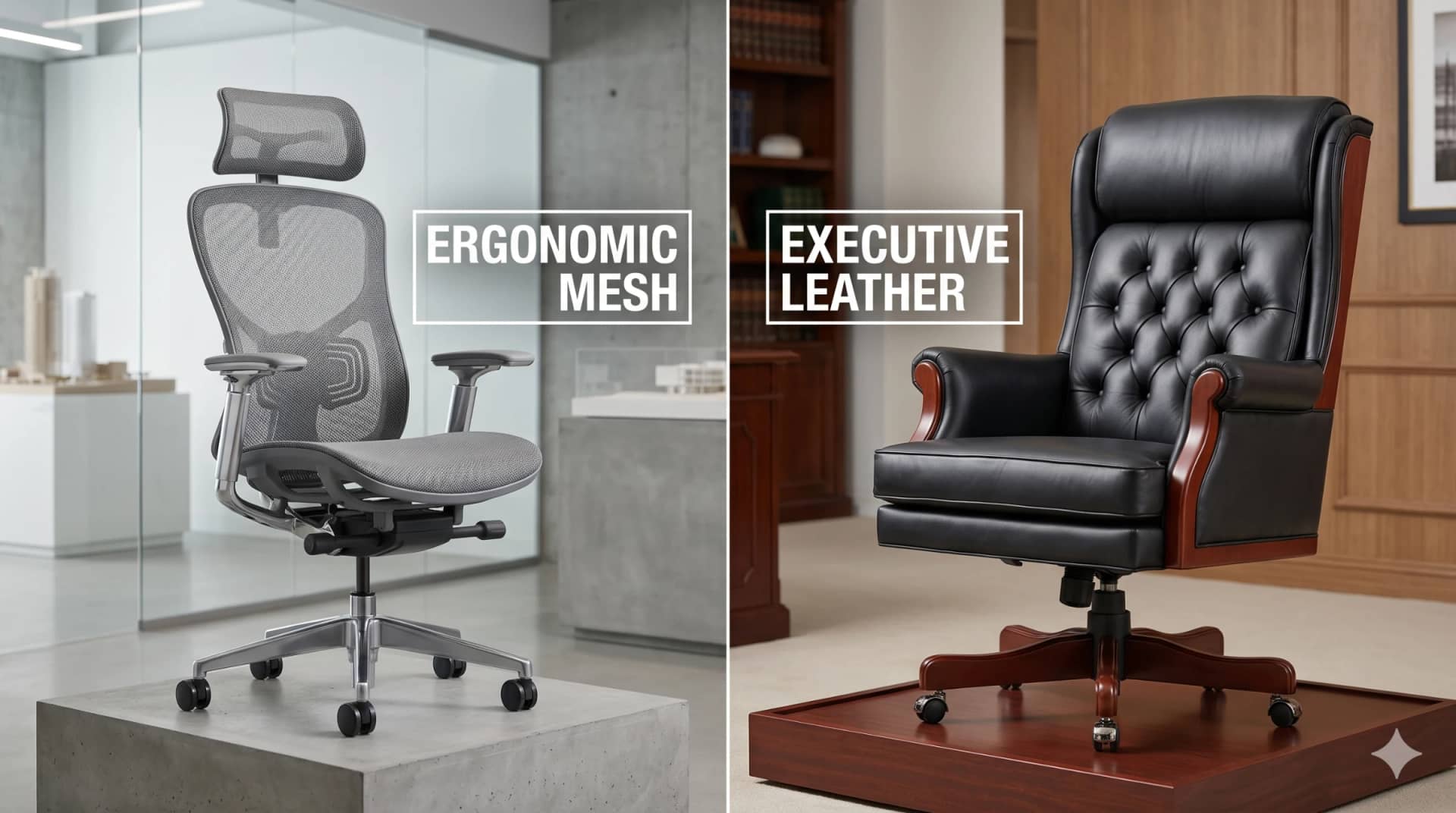
An office chair is the single piece of furniture your team interacts with for 8+ hours a day. Compare the heat dissipation, orthopedic lumbar support, and corporate prestige of Ergonomic Mesh Chairs versus Classic Leather Executive Chairs with ETCBangladesh.
Read next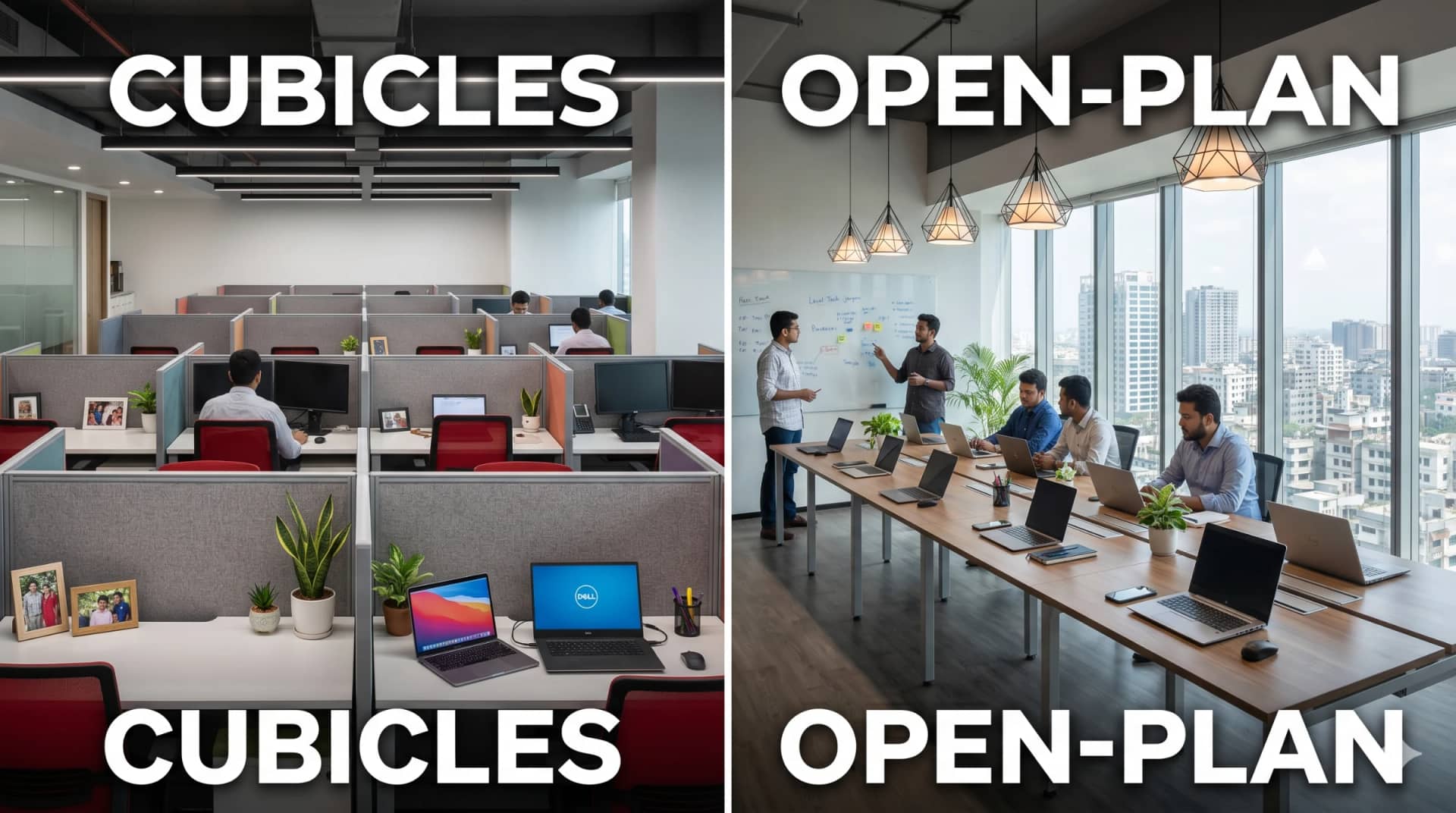
The fundamental debate of modern office design: visual focus versus collaborative energy. Compare the concentrated privacy of traditional Cubicle Workstations against the synergistic dynamic of Open-Plan configurations with ETCBangladesh.
Read next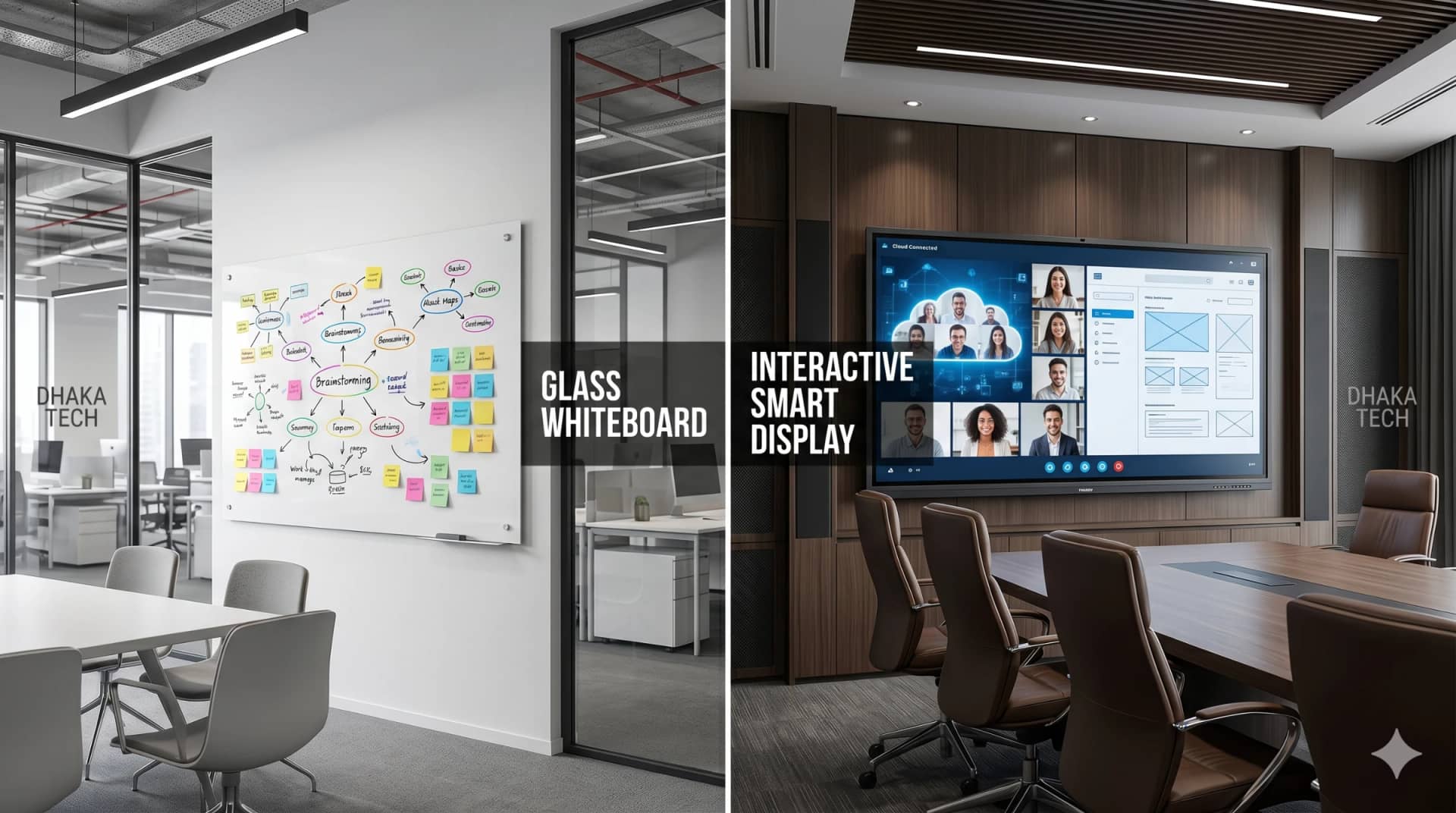
Is your team better served by a low-friction analog writing canvas or a high-tech, cloud-connected interactive screen? Compare the functionality, upfront capital, and hybrid integration of Glass Whiteboards versus Interactive Smart Displays with ETCBangladesh.
Read next